Our Story
Since 1901, faith, family, and community
Greater Mt. Zion is not only a place of worship. It is one of the enduring institutions of African American life in Waycross and Ware County.
Our History
A congregation and the community it built
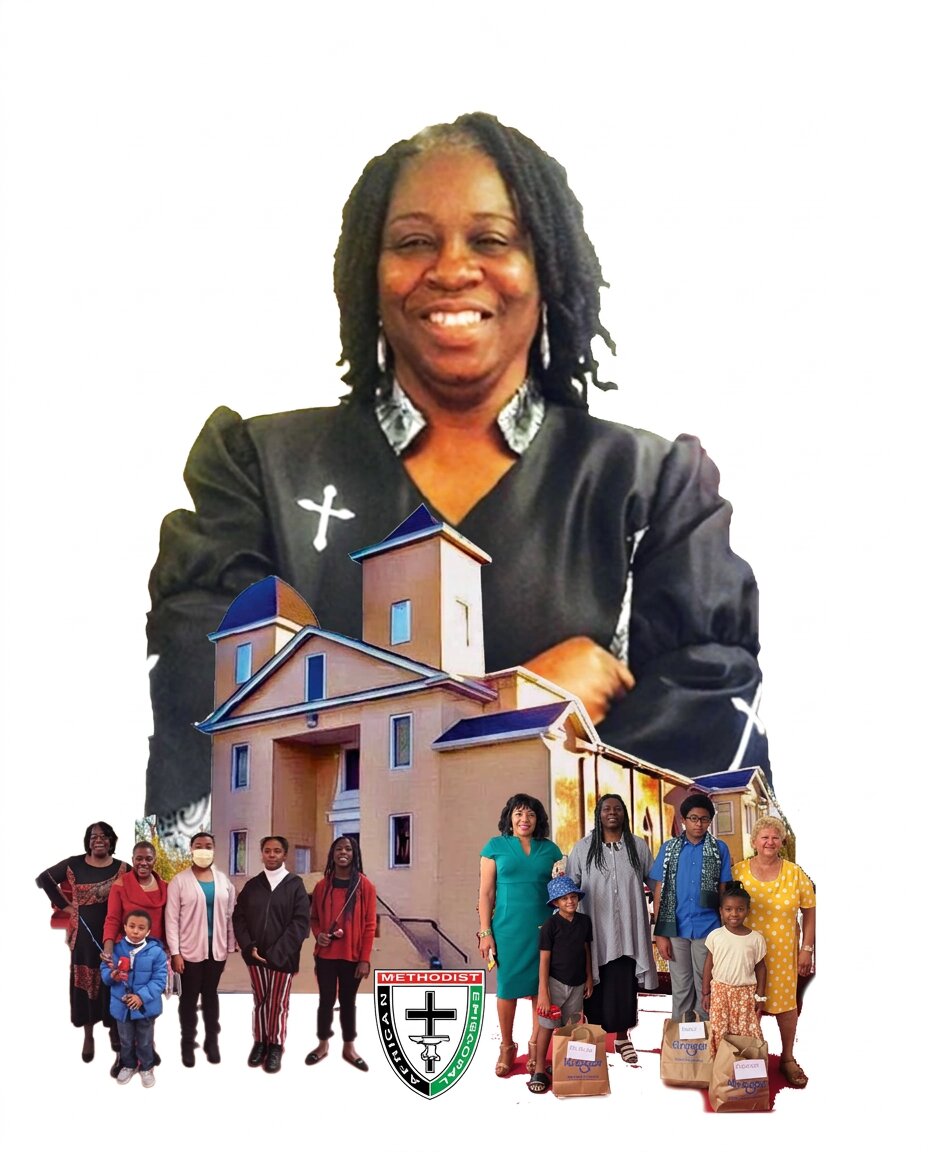
Greater Mt. Zion African Methodist Episcopal Church was founded in 1901 by families who understood that a church is also a school, a meeting hall, a mutual aid society, and a place where a people can speak freely. From its earliest years, the congregation carried responsibilities far beyond Sunday morning.
Across generations, pastors, stewards, trustees, missionaries, choir members, and Sunday school teachers built the institution that stands today at 1085 Ossie Davis Parkway. Their names, photographs, and records form the backbone of our archive.
Chronology, historic addresses, and pastoral succession on this page are being verified against the church's own records and local archives before publication as definitive history.
 Click to enlarge
Founding
- Founding of Greater Mt. Zion
- The early congregation
- Founding families
- First places of worship
Leadership
- Past pastors
- Stewards and trustees
- Missionary leadership
- Church officers
Transitions
- Historic locations
- Church milestones
- Major building campaigns
- Present-day Greater Mt. Zion
Timeline
Decade by decade
1901
Founding year. Families establish Greater Mt. Zion A.M.E. Church in Waycross, Georgia.
1930s
The congregation grows through the Depression; mutual aid and burial societies sustain families.
1940s
Wartime service and homecoming. Members return from the Armed Forces to church leadership.
1950s
Expansion of Sunday school, choirs, and missionary work; the building takes its present form.
1960s
The Waycross movement. Mass meetings, voter organizing, and the March 1968 visit of Dr. King.
1970s
A new generation of stewards and trustees; youth ministry and community outreach expand.
1980s
Anniversary celebrations, revivals, and sustained investment in the church property.
1990s
Scholarship and mentoring programs formalize the church's educational commitments.
2000s
Partnerships broaden: food assistance, senior services, and health programming.
Today
A living institution of faith, history, culture, community service, and civic engagement.
A Living Legacy
What this church has always been about
Faith
Worship, prayer, and the sacraments across generations.
Family
Households connected by baptism, marriage, and memory.
Education
Sunday school, tutoring, scholarships, college preparation.
Service
Food, clothing, housing referrals, and emergency assistance.
Leadership
Officers, stewards, and civic leaders formed in these pews.
Community
Public meetings, forums, and neighborhood partnership.